ACCEPTING ENQUIRIES · DATES FROM SEPTEMBER 2026
One day.
Reclaimed sleep.
A private, evidence-based intensive for high-performing adults who have tried everything else — delivered by a specialist psychotherapist to resolve the sleep problems that are quietly undermining everything else.
£1,000 / full day
LIMITED AVAILABILITY
WHO IS THIS FOR
You have built the life.
Sleep is the one thing still getting in the way.
This is for adults who function at a high level — and who know, precisely, what sleep deprivation is costing them. They have read the books, tried the supplements, downloaded the apps. And they are still awake at 3am with their mind running.
The professional
Running on four or five hours and compensating with caffeine and willpower. Performing well enough that no one else can see it. Knowing it isn't sustainable.
The founder
The business never fully switches off. Neither does the brain. Waking at 4am has become so routine it feels like just the way things are. It doesn't have to be.
The person who has tried everything
Melatonin, magnesium, CBT apps, sleep trackers, blackout blinds. Each helps briefly, then stops working. The problem was never the environment. It was the pattern.
THE PROBLEM WITH SLEEP PROBLEMS
Sleep hygiene
is not the answer
The advice is everywhere. Wind down by 10pm. No screens. No caffeine after noon. For people with genuine chronic insomnia, following this advice to the letter makes almost no difference and can even make sleep worse — because the problem is not behavioural hygiene. It is a learned pattern of hyperarousal that has become selfsustaining.
“The brain has learned to be awake at night. The work is teaching it to unlearn that — precisely, systematically, and faster than most people expect.”
CBT for Insomnia (CBTi) is the gold-standard, NICE-recommended treatment that addresses the actual mechanisms maintaining chronic insomnia. Not a relaxation technique. Not a supplement. A structured intervention with the strongest evidence base in the field of sleep medicine, and lasting results. In a single focused day, we move through the complete programme.
THE STRUCTURE
Before, during,
and after
A contained, three-phase intervention. The emphasis throughout is on practical, lasting change — not insight alone.
ONE WEEK BEFORE · 45 MINUTES
1.
The Preparation Session
A focused intake call to build a complete picture of your sleep history, identify your specific pattern, and establish what to track in the seven days before the intensive. You arrive at the day with data already in hand — which makes everything immediately actionable.
THE INTENSIVE DAY · 9.30AM - 2.30PM
2.
Sleep Repair Day
A private, unhurried day working through the complete CBTi protocol, integrated with EMDR and systemic approaches where clinically indicated. You leave with a clear verbal summary of your personalised plan, with the full written version delivered by email the same evening.
TWO WEEKS OF FOLLOW-UP SUPPORT · FINAL 30-MINUTE CALL
3.
Two Weeks of Follow-Up Support & The Consolidation Call
After two weeks of follow-up support to successfully embed the plan, a final check-in reviews any last obstacles to effortless sleep and makes refinements. Most people find the first two weeks require small adjustments — this is where we make them.
INSIDE THE DAY
How a day changes
years of poor sleep
Sleep Architecture Review
Analysing your diary data to map your personal sleep pattern, identify your sleep window, and pinpoint the specific mechanisms that are maintaining your insomnia.
Sleep Efficiency Training
Rebuilding your sleep drive using neuroscience rather than willpower. The parameters of your personal programme are set here — precisely calibrated, not generic.
Stimulus Control & Environment
Reconditioning the relationship between bed and wakefulness. Practical, specific, and immediately implementable.
Break
Lunch. A deliberate pause — itself part of the work of learning to rest.
Cognitive Restructuring
Identifying and reframing the thought patterns that sustain hyperarousal: clock-watching, performance anxiety around sleep, and the cycles of worry that keep the mind alert at night.
Relaxation & Somatic Regulation
Learning the specific regulation techniques that work for your nervous system — not a one-size-fits-all script.
Verbal Summary & Close
A clear walkthrough of the complete plan before the session ends. Your written Sleep Repair Plan follows by email the same evening.
WHAT CHANGES
Outcomes, not
intentions
The measure of this day is not how much is understood. It is what is concretely different, a week from now and years down the line.
Performance restored
Cognitive clarity, decision-making, and sustained concentration — the things that suffer first under chronic sleep deprivation — restored. You show up differently.
Mood and relationships
The emotional dysregulation that comes with persistent poor sleep — the irritability, the flatness, the reduced tolerance — recedes as sleep consolidates. Many clients describe simply feeling like themselves again.
Physical health and energy
Immune function, metabolic health, hormonal regulation — all directly affected by chronic sleep loss. Consistent, restorative sleep is one of the most powerful single health interventions available.
Off medication
For those using sleeping tablets or other pharmacological aids, CBTi consistently outperforms medication in long-term outcomes — and provides a clear, supported pathway to reducing or ending reliance on it, if that is your goal.
YOUR PRACTITIONER
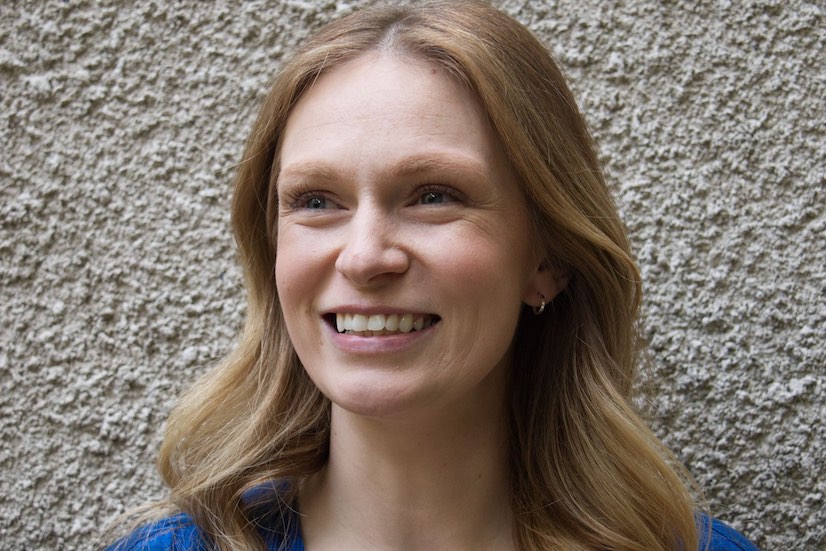
Christy Reynolds, MSc
UKCP Registered Psychotherapist
The expertise
behind this offer
Christy Reynolds is a senior psychotherapist based in South East London — with a rare combination of clinical depth, academic background, and direct experience of the pressures that keep high-performing adults from sleeping well.
Qualified Psychotherapist
Postgraduate-trained to work with the full complexity of sleep difficulties: the anxiety, low mood, hyperarousal, and entrenched patterns that sit beneath the surface and that require genuine therapeutic skill to address.
CBT for Insomnia (CBTI) Specialist
The gold-standard, first-line treatment recommended by NICE; the same evidence-based treatment used in NHS sleep clinics, without the waiting lists and delivered with the depth of private specialist care.
EMDR
Where sleep disruption is maintained by trauma, anxiety, or deeply entrenched beliefs about sleep itself, EMDR offers a remarkably efficient route through. Christy brings this alongside CBTi where it is clinically indicated — placing this work at the cutting edge of sleep therapy practice.
NHS Highly Specialist Psychotherapist
Senior NHS clinical experience working with complex presentations, with specialist expertise in the intersection of sleep, anxiety, mood, and emotional regulation.
NHS Specialist, Neurodevelopmental Services
Deep specialist knowledge of sleep in ADHD, autism, and high cognitive demand, gained within dedicated NHS neurodevelopmental services — with particular experience where standard approaches fall short.
BA (Hons) English, University of Oxford
A rigorous academic background that informs a precise, intellectually engaged approach to clinical work — and a genuine understanding of the culture and weight of high academic and professional expectation from the inside.
Member, British Sleep Society
Active engagement with the latest research and clinical developments in sleep medicine and therapy.
Enhanced DBS Checked
Full enhanced disclosure in place. As a qualified social worker, Christy brings a rigorous and considered approach to safeguarding in all clinical work.
HONESTY
This is not
for everyone
This is right if
This is not right if
THE INVESTMENT
One fee.
Everything included.
There is no menu of add-ons. No hidden costs. One fee covers the complete arc of the intervention.
£1,000
COMPLETE INTENSIVE— ALL INCLUSIVE
No introductory call required. Send a brief email describing your sleep difficulty and your preferred timing, or book directly using the button below. You will receive a short questionnaire to establish suitability. If there’s a good fit, you’ll be able to book or be offered a date directly.
QUESTIONS
What people ask
Where does the day take place?
In your home, or a private space of your choosing in London. Working in a familiar environment is often therapeutically useful — and practically, it means no commute on a day that asks something of you.
Why one day rather than weekly sessions?
A contained intensive creates a quality of focus and commitment that weekly sessions rarely achieve. The research on intensive CBTi formats shows equivalent or better outcomes — and for busy professionals, one protected day is far easier to commit to than a recurring weekly slot over months.
I've had CBT before and it didn't help. Why would this be different?
CBT for Insomnia is a specific, structured protocol — distinct from general CBT for anxiety or depression. Most people who have had therapy for related issues have not worked through the specific CBTi programme. The day intensive covers the complete protocol, adapted to your individual pattern, and integrates other cutting-edge techniques such as EMDR where clinically appropriate.
I'm on sleeping tablets. Can I still do this?
Yes. CBTi is the recommended approach for reducing dependence on sleep medication, and the plan will include a clear, gradual pathway for this where relevant. Any changes to medication should be discussed with your GP, who can also be kept informed of your treatment plan.
Does it work for anxiety-driven insomnia?
Yes — and this is where the combination of CBTi and EMDR is particularly effective. Where anxiety is maintaining the sleep problem, both the behavioural patterns and the underlying beliefs can be addressed within the same intensive.
Can my GP refer me directly?
Yes. If you are a GP or clinician and would like to discuss a referral pathway for your patients, please get in touch by email. A brief clinical summary of the intensive and its evidence base is available on request.